



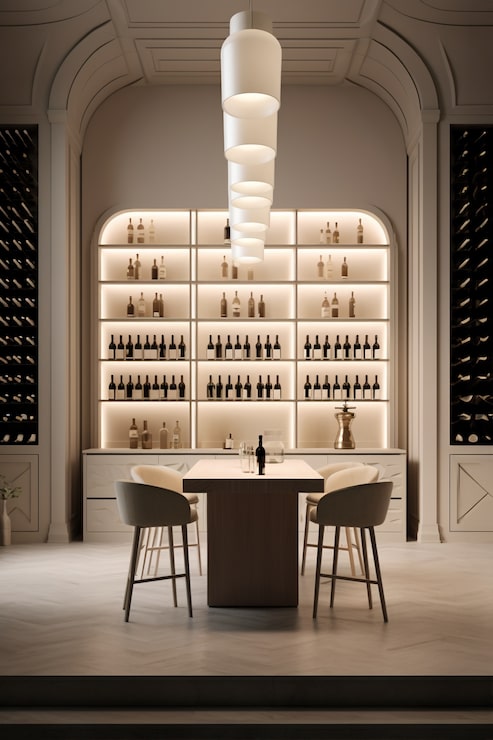
The Complete Guide to Wine Room Cooling Units: Protect Every Bottle You Love
If you have ever opened a bottle of wine only to find it flat, vinegary, or just plain wrong, you already know how devastating improper storage can be. Whether you are a casual collector or a serious enthusiast, protecting your wine collection starts with one critical investment — a reliable wine room cooling unit.
At Wine Appreciation, we have spent years helping wine lovers build the perfect storage environment. And if there is one thing we have learned, it is this: temperature control is not optional. It is everything.
This guide walks you through everything you need to know about wine room cooling units - how they work, why they matter, and how to choose the right one for your space.
Why Temperature Control Matters for Wine Storage
Wine is a living product. Inside every bottle, chemical reactions are constantly taking place. When stored at the wrong temperature, those reactions speed up in ways that destroy flavor, aroma, and structure.
The ideal storage temperature for most wines sits between 55°F and 58°F (13°C to 14°C). Even a few degrees above that range, sustained over weeks or months, can prematurely age a wine or ruin it entirely.
Beyond temperature, humidity plays a huge role. Too dry, and corks shrink, letting oxygen sneak in. Too humid, and mold becomes a problem. A quality wine room cooling unit manages both keeping your cellar at the right temperature and the right moisture level simultaneously.
What Is a Wine Room Cooling Unit?
A wine room cooling unit is a specialized climate control system designed specifically for wine cellars and storage rooms. Unlike standard air conditioners, these units are engineered to:
- Maintain consistent low temperatures without over-drying the air
- Operate quietly to avoid vibration disturbance
- Run continuously at steady settings rather than dramatic on/off cycles
- Preserve humidity levels between 50% and 70%
Standard HVAC systems simply cannot do this job. They are built for human comfort, not wine preservation. A dedicated wine room cooling unit is built with the specific needs of wine storage in mind.
Types of Wine Room Cooling Units
Through-the-Wall Units
These are the most common and most affordable option for home wine cellars. They work similarly to a window air conditioner — one side sits inside the cellar, the other vents heat outside. They are easy to install and work well for rooms up to 2,000 cubic feet.
Ducted Split Systems
A ducted system separates the cooling and condensing components. The evaporator sits inside the cellar while the condenser is placed outside the room in a garage, utility room, or outdoors. These systems are quieter, more powerful, and ideal for larger or more sophisticated cellars.
Self-Contained Cooling Units
These compact units house everything in a single cabinet. They are perfect for smaller spaces or situations where a split system is not practical. Installation is simple and they perform reliably for collections of a few hundred bottles.
How to Choose the Right Wine Room Cooling Unit
Choosing the wrong unit is one of the most common and costly mistakes cellar builders make. Here is what to consider:
Room Size: Calculate the cubic footage of your cellar - length x width x height. Your cooling unit must be rated to handle that volume, with some extra capacity for insulation efficiency.
Insulation Quality: A well-insulated room needs less cooling power. Poor insulation means your unit works harder and wears out faster. Invest in good vapor barriers and closed-cell foam insulation before buying your unit.
Heat Load: Consider external heat sources - nearby appliances, sunlight exposure, and climate. Warmer climates require more powerful units.
Noise Level: If your cellar is near living areas, look for low-decibel ratings. Split systems are significantly quieter than through-the-wall units.
Energy Efficiency: Look for units with high energy efficiency ratings. Running a cooling unit 24/7 adds up. An efficient model saves money every single month.
At Wine Appreciation, we always recommend slightly oversizing your unit rather than undersizing it. A unit that runs at 70% capacity lasts longer and maintains more consistent temperatures than one that is always working at full load.

Installation Tips from Wine Appreciation
Proper installation is just as important as choosing the right unit. A few tips from our experience:
- Always hire a licensed HVAC technician for refrigerant-based systems
- Seal all gaps and penetrations in the cellar walls before installation
- Place the unit on an interior wall away from direct sunlight
- Install a dedicated electrical circuit for your cooling unit
- Use a digital thermometer/hygrometer to monitor conditions after installation
Maintenance: Keeping Your Cooling Unit Running Perfectly
A wine room cooling unit is a long-term investment. Treat it like one.
Clean the coils at least twice a year. Dust buildup reduces efficiency dramatically. Check the drain line regularly to prevent water backup. Inspect the door seals on your cellar to make sure cold air is not escaping. Schedule annual professional servicing to check refrigerant levels and electrical connections.
With proper care, a quality wine room cooling unit can last 15 to 20 years.
Common Mistakes to Avoid
- Buying a unit sized only for current collection - always plan for growth
- Skipping vapor barriers during cellar construction
- Placing the condenser unit in a poorly ventilated space
- Ignoring humidity levels and focusing only on temperature
- Using a regular air conditioner instead of a dedicated wine cooling unit
Conclusion
Your wine collection represents years of passion, careful selection, and real financial investment. Protecting it should never be an afterthought. A properly chosen and installed wine room cooling unit is the single most important piece of equipment in any serious cellar.
At Wine Appreciation, we believe every bottle deserves the perfect environment to reach its full potential. Whether you are building your first small cellar or expanding an existing one, the right cooling unit makes all the difference between wine that evolves beautifully and wine that simply goes to waste.
Start with the right foundation. Your future self and your future guests will thank you.
Frequently Asked Questions (FAQ)
Q1: What size wine room cooling unit do I need for a 500 cubic foot cellar? Generally, a unit rated for 500 to 800 cubic feet is appropriate, but always factor in your insulation quality and local climate. In warmer regions, size up.
Q2: Can I use a regular air conditioner for my wine room? No. Standard air conditioners remove too much humidity and cycle on and off too aggressively, creating temperature swings that damage wine over time.
Q3: How cold should a wine room be? Most wines store best between 55°F and 58°F (13°C to 14°C). Sparkling wines and whites can go slightly cooler, around 50°F to 55°F.
Q4: How much does a wine room cooling unit cost? Prices range from around $500 for basic through-the-wall units to $3,000 or more for high-capacity ducted split systems. Installation costs vary by complexity.
Q5: How often should I service my wine room cooling unit? A professional inspection once a year is recommended, along with cleaning coils and checking drain lines every six months yourself.
Q6: Does Wine Appreciation recommend any specific brands? We work with a range of trusted manufacturers and always recommend based on cellar size, budget, and location. Contact our team for a personalized recommendation.