



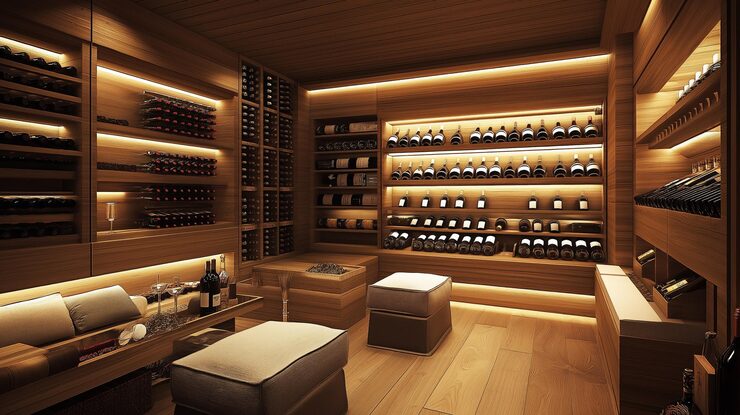
How to Choose the Best Wine Room Cooling Units for Your Space
If you've ever opened a bottle you'd been carefully saving for years, only to find it flat, oxidized, or just... off, you already know the pain of what bad storage can do. It's one of those quiet devastations that doesn't announce itself until it's too late. Temperature swings, vibration, low humidity, poor airflow these are the invisible forces working against your collection every single day.
Building a dedicated wine room is a beautiful commitment to the wine you love. But the cooling system you choose is arguably the most important decision in that entire process. Get it right, and your bottles age gracefully for decades. Get it wrong, and no amount of premium shelving or beautiful stonework can save what's inside.
At Wine Appreciation, we've guided hundreds of collectors through this exact decision. And the truth is, it's not as simple as picking the most powerful unit or the cheapest one. It requires understanding your space, your goals, and the specific demands of long-term wine storage. This guide is designed to walk you through all of it, clearly and honestly.
What Makes Wine Room Cooling Units Different from Regular AC
This is the first thing people get wrong, and it's worth addressing directly before anything else.
Standard air conditioning systems are designed to cool a space quickly and then cycle off. That aggressive on-and-off cycling creates temperature fluctuations, and fluctuations are one of the worst things you can expose wine to. Even a five-degree swing repeated daily can accelerate aging in unpredictable ways, push aromas toward volatile compounds, and slowly break down the integrity of your corks.
Wine needs temperature consistency above almost everything else. The ideal cellar sits between 55°F and 58°F, with humidity hovering between 60 and 70 percent. Dedicated wine room cooling units are engineered to maintain that narrow band without the harsh cycling. They run quietly, continuously, and precisely, keeping conditions stable hour after hour, season after season.
They also handle humidity differently. Regular AC strips moisture from the air as a byproduct of cooling, which is useful in a living room but damaging in a cellar. When humidity drops too low, corks dry out and shrink. Once that happens, oxygen seeps into the bottle, and the wine begins oxidizing. A wine-specific cooling system is built with this in mind.
So before you even look at brands or price points, understand that this is a specialized purchase, and treat it accordingly.
The Main Types of Wine Room Cooling Units You'll Encounter
Not every system is right for every space. Here's a grounded look at what's available and where each type tends to work best.
Through-the-Wall Systems
These are the workhorses of home wine cellars. The unit mounts into the wall with the evaporator inside the room and the condenser exhausting heat to the outside. They're widely available, reasonably priced, and reliable when properly sized. The limitation is that you need an accessible exterior wall. If your cellar is in the middle of your home, this option may not be feasible.
Self-Contained Ducted Units
These systems don't require an exterior wall because they exhaust warm air through insulated ducting into an adjacent space, like a utility room or hallway. They're more flexible in terms of placement, which makes them popular for interior wine rooms. They tend to run a bit louder than split systems, but for most home collectors, the trade-off is well worth the flexibility.
Split Systems
A split system separates the evaporator (inside the cellar) from the condenser (placed outside or in a mechanical room). The result is a very quiet, very precise cooling solution. These are often the preferred choice for high-end builds or when the wine room is close to living spaces where noise matters. Installation costs more and requires an HVAC professional to handle the refrigerant lines, but the performance and quietness are hard to match.
Glycol Cooling Systems
Glycol systems circulate chilled fluid through coils in the cellar, maintaining temperature with exceptional precision and virtually no noise. These are the gold standard for commercial wine storage and serious private collections of several hundred cases or more. For most home collectors, the cost and complexity put them beyond what's practical, but it's worth knowing they exist.
Sizing Your System: Getting the BTUs Right
One of the most common and costly mistakes people make is choosing the wrong size unit. Both directions cause problems.
An undersized unit runs constantly, never quite reaching your target temperature, wears out faster, and still fails to protect your wine properly. An oversized unit blasts cold air, causes rapid humidity changes, and cycles so aggressively that it creates exactly the fluctuations you were trying to avoid.
To size correctly, you need to calculate your room's cubic footage (length multiplied by width multiplied by height). But that number alone isn't enough. You also need to factor in:
- The quality of your room's insulation
- How many walls are exterior versus interior
- Whether the room has any glass panels, windows, or a glass door
- The ambient temperature of the spaces surrounding the room
- The type of lighting inside (incandescent and halogen bulbs generate significant heat)
- Whether bottles will be loaded gradually or all at once
Many manufacturers offer online sizing calculators, and they're a useful starting point. But for rooms with unusual configurations, significant glass, or very warm surrounding environments, consulting with a professional before purchasing is genuinely worth it.

Humidity: The Factor Most People Underestimate
You might be surprised how many people buy a wine cooling unit, install it beautifully, and then discover six months later that their corks are drying out because the unit isn't managing humidity properly.
Not all wine room cooling units handle moisture the same way. Some maintain cellar humidity naturally as part of their design. Others dry the air noticeably during operation, especially in very warm or dry climates. When reviewing units, look for specifications around humidity management, not just temperature range.
If a unit you're considering doesn't maintain adequate humidity on its own, you have two options: choose a different unit or plan to add a standalone humidifier to the room. The latter adds cost and something else to monitor and maintain. It's worth thinking through before you buy rather than after.
At Wine Appreciation, we see humidity neglect more often than almost any other oversight. It's quiet, gradual, and completely avoidable.
Noise Levels Matter More Than You'd Expect
This tends to be an afterthought for buyers focused on temperature specs, but it becomes very real once the system is installed.
If your wine room is adjacent to a dining area, a bedroom, or even a kitchen, a loud compressor cycling on and off is going to become noticeable fast. Split systems are the quietest option by a wide margin since the compressor lives outside the living space entirely. Through-the-wall and self-contained units vary considerably, so check decibel ratings in manufacturer specs and look specifically for complaints about noise in user reviews.
Also consider vibration. Wine needs to rest undisturbed during aging, particularly for bottles with sediment. Excessive vibration from a poorly isolated unit can agitate sediment and interfere with the slow chemical processes that allow wine to develop complexity. Better units are built with vibration dampening, and placement matters too.
Drainage and Installation: The Practical Details
Cooling systems produce condensate, which is the moisture that drips off the evaporator coil as warm, humid air is cooled. That water has to go somewhere, and if you don't plan for it, you could end up with standing water on your cellar floor, which quickly becomes a mold and odor problem.
Some units include built-in condensate pumps to remove water automatically. Others rely on gravity drainage to a floor drain. Before purchasing, understand your drainage situation and confirm the unit's drainage method will work for your setup.
On the installation side, be realistic about what each type requires. Through-the-wall units need proper wall framing and a sealed penetration. Split systems require an HVAC technician to run refrigerant lines and handle the charge. Self-contained units need properly insulated exhaust ducts. Skipping on proper installation is one of the most common reasons systems underperform. Budget for it from the beginning.
Insulation Is the Silent Partner of Every Cooling System
Here's something that gets overlooked constantly: even the best cooling system in the world can't compensate for a poorly insulated room. If heat is seeping in through thin walls, uninsulated ceilings, or poorly sealed doors, your unit will run constantly and still struggle to hold temperature.
The vapor barrier is critical and commonly installed incorrectly. It needs to sit on the warm side of your insulation, which means outside the cellar walls, ceiling, and floor. This prevents moisture from migrating into the insulation layer and causing mold. If you're building or retrofitting your wine room, get a qualified contractor involved in the insulation and vapor barrier work before the cooling unit conversation even begins.
A Final Word from Wine Appreciation
Choosing a cooling system for your wine room is one of those decisions that disappears into the background once you get it right. The unit runs, the temperature holds, the humidity stays where it should, and you stop thinking about it entirely. That's the goal.
But getting to that point requires making the decision thoughtfully. Measure your space. Understand what surrounds it. Think about noise. Plan for drainage. Invest in proper insulation. And if you're genuinely unsure, ask someone who knows.
At Wine Appreciation, we've always believed that the best thing you can do for a great bottle of wine is give it the conditions it deserves. The right wine room cooling units make that happen, quietly, reliably, and year after year.
Your collection is worth protecting. Make sure your cooling system is worthy of it.
Frequently Asked Questions
Everything you need to know about wine room cooling.