



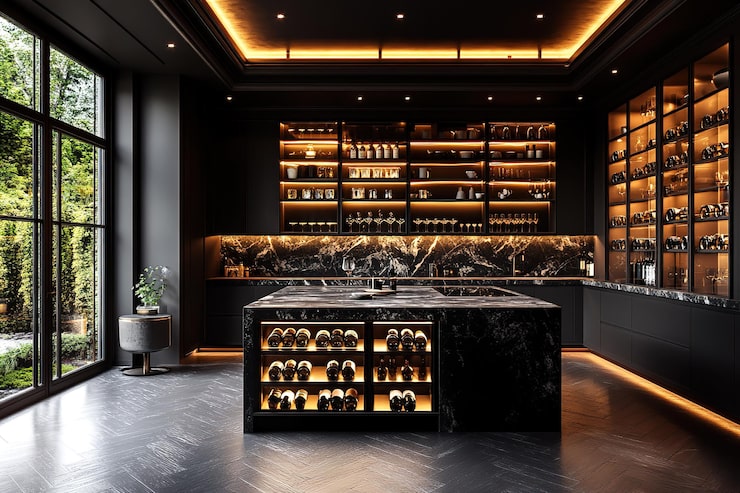
Custom Wine Cellar Design: The Complete 2026 Guide for Homeowners
A great bottle of wine deserves more than a corner of the pantry. It deserves a home built around it, one that protects its flavor for decades and turns storage into a statement. That's exactly what a custom wine cellar design delivers: a personalized space engineered for temperature stability, humidity control, and visual impact, tailored to your collection, your budget, and your home's architecture.
Whether you're converting an unused closet under the stairs or building a dedicated glass-walled cellar off your dining room, the principles are the same: smart planning up front saves money, protects your wine, and creates a space you'll actually want to show off. Here's what goes into getting it right.
Why Custom Design Beats a One-Size-Fits-All Cellar
Prefab wine racks and generic cabinets can work for a starter collection, but they rarely account for your room's shape, your local climate, or how your collection will grow. A custom approach starts with a simple question: what is this cellar actually for? Are you building a long-term aging space for investment-grade bottles, a display cellar for entertaining, or a hybrid of both? The answer shapes everything downstream from bottle capacity and rack style to lighting and door selection.
If you're still mapping out the basics, our full breakdown of cellar design and build considerations walks through every stage, from identifying your storage purpose to choosing materials a useful starting point before you commit to a layout.
Start With the Fundamentals: Temperature and Humidity
No amount of beautiful racking matters if the environment inside your cellar is wrong. Wine ages best at a steady 55°F with humidity comfortably above 50%. Fluctuation, not the exact number, is what actually damages wine, so consistency should guide every design decision, from insulation thickness to door seals.
This is also where most DIY cellars fail. Warm air from the rest of your home naturally migrates toward the cooler cellar, and without a proper vapor barrier, that moisture condenses inside your walls, leading to mold and structural decay over time. A correctly framed, insulated, and sealed room is non-negotiable, and it's a step worth getting professional eyes on before construction begins.
Choosing the Right Cooling System
Your cellar's size, location, and layout will determine which cooling setup makes sense:
- Self-contained systems are the most budget-friendly and straightforward to install, mounting directly between wall studs without specialized ductwork.
- Split systems separate the noisy condenser from the quiet evaporator, making them ideal when you want a whisper-quiet cellar and have a garage, basement, or rooftop nearby to house the compressor.
- Ducted systems offer flexibility for larger or irregularly shaped spaces where a single unit needs to distribute cool air evenly.
Picking the wrong unit for your square footage is one of the most common (and expensive) mistakes homeowners make. Our team can walk you through sizing and options in detail. See our guide to choosing a wine cellar cooling system for a closer look at each configuration.

Design Trends Shaping Cellars in 2026
Custom wine cellar design has moved well beyond the traditional dark, cave-like basement room. The trends gaining the most traction right now include:
Glass-enclosed display walls. Frameless glass panels (with proper high R-value insulated glazing) let collectors showcase their bottles as a living piece of architecture, often positioned in dining rooms, hallways, or under staircases.
Compact, high-efficiency cellars. Not everyone has a spare room. Converted closets, pantry corners, and under-stair nooks are increasingly popular, using every cubic foot efficiently while still maintaining professional-grade climate control.
Mixed-material racking. Warm wood paired with matte black metal accents is replacing the all-wood look of a decade ago, giving cellars a more contemporary, gallery-like feel.
Smart monitoring. Homeowners increasingly want remote temperature and humidity alerts sent straight to their phone, catching cooling failures before they become costly losses.
If you want to explore rack styles that pair well with these trends, browse our custom wine racks collection for traditional wood and contemporary metal and acrylic options.
Framing, Materials, and the Details That Matter
Once the cooling strategy is set, attention shifts to the build itself:
- Insulation: A minimum of 3½ inches in walls and 6 inches in the ceiling, using closed-cell foam where possible to also serve as your vapor barrier.
- Walls and ceiling: Moisture-resistant "green board" is the industry standard; purple board offers added mold resistance for a modest upgrade in cost.
- Flooring: Stone, tile, and treated wood all work, but insulation and water resistance matter more than the material itself, since condensation is inevitable in any actively cooled room.
- Doors: Your cellar door should be exterior-grade with tight weather stripping. If you're set on a glass door, confirm it uses high R-value glazing; standard glass will bleed cold air and spike your energy bills.
- Lighting: Dimmable, low-heat LED fixtures preserve ambiance without adding thermal load to your cooling system.
How Much Does a Custom Wine Cellar Cost?
Costs vary widely based on size, materials, and cooling complexity, but most residential custom wine cellar projects fall between $15,000 and $60,000. Smaller conversions — like a closet or under-stair space can come in well under that range, while large, glass-walled showcase cellars with premium racking climb higher. The good news: a well-executed cellar is consistently ranked among the home features buyers actively seek, meaning much of that investment comes back at resale.
Bringing It All Together
A successful custom wine cellar design balances three things: protecting your wine, fitting your space, and reflecting your taste. Get the climate control and insulation right first; everything else is customization. From there, the fun part begins: choosing racking, finishes, and lighting that make the space feel like yours.
If you're ready to move from inspiration to a real plan, our team can help you think through layout, cooling, and materials for your specific space. Start with our complete cellar design guide or reach out for a free consultation. We've spent nearly five decades helping collectors across Northern California build cellars that last.
Frequently Asked Questions
Everything you need to know about custom wine cellars.